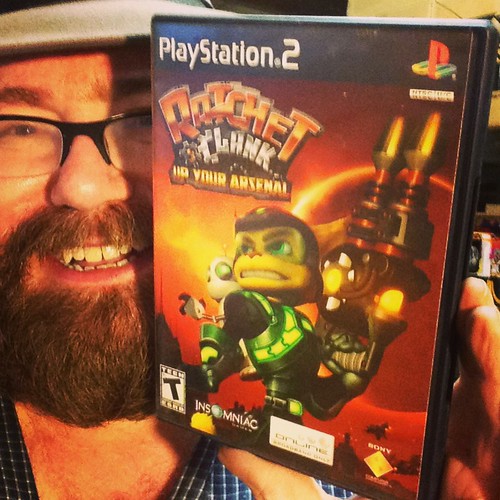
Photo by JeepersMedia via flickr (BY)
The digital age has fundamentally reshaped how we consume video games, moving beyond the static, one-time purchase of a cartridge or disc to an evolving ecosystem of continuous content delivery. At the heart of this evolution lie two ubiquitous terms: Downloadable Content (DLC) and Season Passes. While often used interchangeably by casual observers, these concepts represent distinct strategies employed by game developers and publishers to extend a game's lifecycle and revenue streams. Understanding the nuances between DLC and Season Passes is not merely an academic exercise; it's a critical skill for any discerning gamer looking to maximize their entertainment value, manage their budget effectively, and avoid buyer's remorse in an increasingly complex market. This guide aims to demystify these terms, providing a comprehensive overview that empowers players to make informed purchasing decisions.
Key Takeaways for Savvy Gamers
- DLC is the fundamental unit of additional content: Think of it as an individual expansion, cosmetic pack, or new quest line. It's a singular purchase for a singular piece of content.
- A Season Pass is a bundle or subscription for future DLC: It offers pre-purchase access, often at a discount, to a collection of DLC released over a specified period, typically a "season" or year.
- Not all DLC is created equal: From minor cosmetic alterations to substantial story expansions, DLC varies wildly in scope and value.
- Season Passes come with inherent risks and rewards: While offering potential savings, they also demand a leap of faith regarding the quality and quantity of future content.
- Careful research is paramount: Before committing to either, evaluate developer reputation, community feedback, and the specific contents (or promised contents) of the offering.
The Evolving Landscape of Game Content Delivery
For decades, buying a video game meant acquiring a complete, self-contained experience. Patches existed, primarily for bug fixes, but significant content additions post-launch were rare, often manifesting as physical expansion packs years later. The advent of broadband internet and digital distribution platforms like Steam, PlayStation Store, and Xbox Marketplace catalyzed a paradigm shift. Suddenly, developers could deliver new content directly to players' consoles and PCs with unprecedented ease, giving birth to what we now universally refer to as Downloadable Content, or DLC.
Initially, DLC was often seen as a bonus – extra maps for a multiplayer shooter, new character skins, or a short side quest. However, as the business model matured, DLC evolved into a central component of many games, sometimes even completing narratives or adding crucial gameplay mechanics that were arguably core to the experience (GamesIndustry). This evolution, in turn, led to the development of the Season Pass as a way to package and pre-sell this burgeoning stream of post-launch content.
Deconstructing Downloadable Content (DLC)
At its core, DLC is any additional content for a video game that is downloaded after the game's initial release. This definition is intentionally broad because the scope and nature of DLC are incredibly diverse. It ranges from the purely aesthetic to the narratively critical, and understanding these distinctions is key to evaluating their worth.
Types of DLC:
- Expansions/Story DLC: These are often the most substantial forms of DLC, adding significant new story arcs, characters, regions, gameplay mechanics, and hours of content. Examples include "The Witcher 3: Blood and Wine," which was practically a standalone game in its scope, or "Cyberpunk 2077: Phantom Liberty." These typically offer excellent value for money, akin to traditional expansion packs.
- Cosmetic DLC: This category includes character skins, weapon camos, emotes, vehicle customizations, and other visual alterations that do not impact gameplay. While purely aesthetic, they can be highly sought after by players who enjoy personalizing their experience. Often sold in small, affordable packs, or as individual microtransactions.
- Map Packs: Predominantly found in multiplayer games, these DLCs introduce new maps for competitive or cooperative play. Games like the Call of Duty series historically relied heavily on map packs to keep their multiplayer communities engaged (IGN).
- Character/Class Packs: Adding new playable characters, classes, or heroes to a game, often with unique abilities or playstyles. Fighting games, MOBAs, and RPGs frequently utilize this type of DLC.
- Quest Packs/Item Packs: Smaller additions that provide new side quests, unique in-game items, weapons, or armor. These can enhance a player's power or offer new challenges without the breadth of a full expansion.
- Quality of Life/Minor Content: Sometimes, developers release small DLCs that offer convenience items (e.g., in-game currency boosts, XP multipliers) or very minor content additions that don't fit neatly into other categories. These often garner criticism if perceived as pay-to-win or if they gate content that many feel should have been in the base game.
Purchasing DLC:
DLC is typically purchased à la carte. You identify a specific piece of content you want – say, a new character for a fighting game or a particular cosmetic skin – and you buy just that item. This allows for selective buying, ensuring you only pay for what directly interests you. The price point for individual DLC varies wildly based on its size and perceived value, from a few dollars for a cosmetic item to upwards of $40 for a major expansion.
The Season Pass: A Bundle of Future Promises
A Season Pass is essentially a pre-purchase or subscription model for future DLC. Instead of buying each piece of content individually as it's released, you pay a single, upfront fee for access to a collection of DLC that will be rolled out over a specified period, usually aligning with a game's "season" of content development, often 6-12 months.
How Season Passes Work:
When you buy a Season Pass, you are typically granted access to a set number of upcoming DLCs, which may or may not be fully detailed at the time of purchase. Some Season Passes are very transparent, listing every piece of content included. Others are more ambiguous, promising "future expansions," "new characters," and "exclusive cosmetic items" without specific details.
Advantages of a Season Pass:
- Cost Savings: The primary appeal of a Season Pass is the potential for a discounted price compared to buying all included DLCs individually. Publishers often price the pass to offer a 20-30% saving over the cumulative cost of its components.
- Convenience: For committed players, a Season Pass means automatic access to new content as it becomes available, without the need for multiple individual purchases.
- Exclusive Content: Some Season Passes include exclusive cosmetic items, early access to DLC, or unique in-game bonuses not available to individual DLC purchasers.
- Supporting the Developer: For fans of a game, buying a Season Pass can be seen as a way to support the ongoing development and longevity of their favorite title.
Disadvantages and Risks of a Season Pass:
- The "Blind Buy" Dilemma: This is the most significant risk. You are paying for content that hasn't been released yet, and sometimes hasn't even been fully developed. The quality, quantity, and relevance of this future content are unknown. You might end up paying for DLC you don't enjoy or wouldn't have purchased individually.
- Developer Abandonment: While rare for major titles, there's always a risk that a game might not receive all the promised DLC, or that the developer might scale back their plans due to poor sales or other unforeseen circumstances.
- Content Relevance: Your interest in a game might wane before all the Season Pass content is released. You could pay for content you never use.
- Overlapping with "Ultimate" or "Deluxe" Editions: Many games now launch with multiple editions. Often, the Season Pass is bundled into a "Deluxe," "Gold," or "Ultimate" edition of the game at launch, further complicating the initial purchase decision. Ensure you're not double-dipping if you buy a special edition and then consider a separate Season Pass.
Practical Considerations for the Discerning Buyer
Navigating the world of DLC and Season Passes requires a strategic approach. Here's a checklist of questions to ask yourself before making a purchase:
The DLC Buyer's Checklist:
- Do I genuinely want this specific piece of content? Avoid impulse buys.
- Does it add significant value to my experience? Is it an expansion, or just a cosmetic I'll forget in an hour?
- Is the price reasonable for the content offered? Compare it to other DLCs for the same game or similar games.
- Have I read reviews or watched gameplay of this specific DLC? Community feedback is invaluable.
- Is this DLC standalone, or does it require other DLC to be fully enjoyed? Some expansions build upon previous ones.
The Season Pass Buyer's Checklist:
- How much do I love the base game? If you're not deeply invested, a Season Pass is likely a poor investment.
- What is the developer's track record with post-launch content? Do they consistently deliver high-quality DLC, or do they have a history of mediocre additions? Look at their previous titles (GamesIndustry).
- How clearly is the Season Pass content defined? Are specific expansions and items listed, or is it vague promises? More detail means less risk.
- What is the expected release schedule? Will the content be spread out over a reasonable period, or will it be dumped all at once, or worse, trickle out over years?
- What is the price difference between the Season Pass and buying individual DLCs? Calculate the potential savings. Is it significant enough to justify the "blind buy" risk?
- Am I likely to play this game consistently for the entire duration of the Season Pass's content release? Your personal play habits are a major factor.
- Are there any "exclusive" items or early access perks that genuinely appeal to me? Sometimes these can tip the scales.
- Is the Season Pass included in a higher-tier edition of the game that I might consider purchasing anyway? Consolidate purchases if possible.
Common Pitfalls and How to Avoid Them
- The "FOMO" Trap (Fear of Missing Out): Publishers often leverage FOMO by offering limited-time bonuses or emphasizing the "exclusive" nature of Season Pass content. Don't let marketing pressure dictate your purchase.
- Buying into Hype: Early trailers for Season Pass content can be dazzling. Remember that trailers are curated, and the final product may differ.
- Ignoring Community Feedback: Once the first few pieces of DLC from a Season Pass are released, the community will be vocal about their quality. Pay attention to forums, reviews, and social media.
- Not Understanding the Scope: Some Season Passes are truly comprehensive, while others are minor additions. Always read the fine print.
- Confusing Free Updates with Paid DLC: Many games offer free updates alongside paid DLC. Don't assume all new content requires a purchase. For example, Minecraft through platforms like Modrinth offers extensive free community-created content, while the base game also receives free official updates, separate from any marketplace DLC (Modrinth).
- The ESRB Rating: While the ESRB rating (ESRB) primarily applies to the base game, be aware that DLC can sometimes introduce content that pushes the boundaries of the original rating, especially with story expansions.
The Future of Post-Launch Content
The trend towards continuous content delivery shows no signs of slowing. As games become "live services," the distinction between what's included in the base game and what's sold as DLC or part of a Season Pass will likely continue to blur. We are also seeing the rise of battle passes, which are a form of seasonal content delivery, often with free and premium tiers, focused heavily on cosmetic progression. While distinct from traditional Season Passes, they share the underlying principle of monetizing ongoing engagement.
Ultimately, the decision to purchase DLC or a Season Pass boils down to individual preference, budget, and the level of commitment to a particular game. By understanding the mechanics, weighing the pros and cons, and conducting thorough research, gamers can navigate this complex landscape with confidence, ensuring their investments enhance, rather than detract from, their gaming experiences. This information is purely for educational purposes and should not be construed as financial advice.

Photo by JeepersMedia via flickr (BY)
Frequently Asked Questions
Q1: Can I buy individual DLCs if I don't buy a Season Pass?
A1: In most cases, yes. The primary benefit of a Season Pass is usually a bundled discount for content that would otherwise be available for individual purchase. However, some Season Passes might include minor exclusive cosmetic items or very early access periods that aren't available separately, but the main content (expansions, characters) is almost always sold individually later.
Q2: What's the difference between a Season Pass and a Battle Pass?
A2: A Season Pass typically grants access to all major premium DLC released over a set period, like story expansions or character packs, usually for a single, upfront fee. A Battle Pass, common in live service games, is a progression system tied to a specific "season" of play. It offers rewards (mostly cosmetics, sometimes in-game currency) as you play and level up through tiers. Battle Passes often have a free tier and a premium tier that requires purchase, and they generally need active play to unlock their content, whereas Season Pass content is simply added to your game.
Q3: Is it better to wait for a Game of the Year (GOTY) edition than to buy a Season Pass?
A3: Often, yes, if you're patient. GOTY editions (or "Complete," "Ultimate," "Definitive" editions) are typically released long after the game's initial launch and bundle the base game with all, or almost all, previously released DLC and Season Pass content into a single, often heavily discounted package. This is usually the most cost-effective way to get the entire experience once all content has been released and reviewed. The downside is the wait, often a year or more after initial release.
Q4: What if a developer stops supporting a game after I buy a Season Pass?
A4: This is a risk associated with the "blind buy" nature of Season Passes. While rare for major publishers to completely abandon all promised content, delays or reduced scope can occur. Your recourse options depend on the platform's refund policies and consumer protection laws. If content is explicitly promised and not delivered, you may have grounds for a refund, but this varies. Always check the platform's (e.g., Steam, PlayStation Store, Xbox Marketplace) refund guidelines.
Q5: Are there any examples of Season Passes that were considered bad value?
A5: Yes, history is littered with examples. The Evolve Season Pass was famously criticized for its high price and the perception that much of its content should have been in the base game. Similarly, some early Destiny expansion passes faced criticism for locking core content behind a paywall and not offering enough new material. These cases highlight the importance of developer track record and community sentiment before purchasing.
Q6: Does DLC affect a game's ESRB rating?
A6: The ESRB rating (ESRB) primarily applies to the content of the base game at launch. However, the ESRB states that "publishers are responsible for submitting significant downloadable content (DLC) or updates for review if they contain content that might affect the game’s existing rating assignment." So, while not all minor DLC will trigger a re-rating, substantial expansions with new story elements, characters, or themes could potentially alter the content descriptors or even the age rating if they introduce new elements not present in the original game.
References
- IGN Game Wikis: https://www.ign.com/wikis
- GamesIndustry.biz News: https://www.gamesindustry.biz/
- ESRB Ratings Guide: https://www.esrb.org/about/
- Modrinth Mod Discovery: https://modrinth.com/discover
Referenced Sources
- IGN Game Wikis — IGN
- GamesIndustry.biz News — GamesIndustry
- ESRB Ratings Guide — ESRB
- Modrinth Mod Discovery — Modrinth