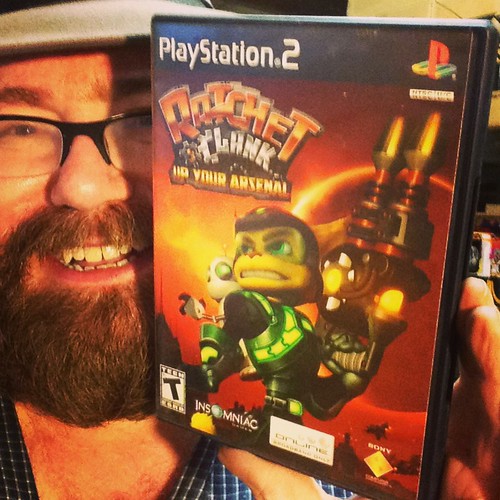
Photo by JeepersMedia via flickr (BY)
The gaming industry, a vibrant tapestry woven with technological innovation, artistic expression, and fierce competition, is constantly in motion. For enthusiasts, staying abreast of the latest developments—from triple-A announcements to indie darlings, hardware breakthroughs to esports controversies—is a passion. However, navigating the sheer volume of information can be overwhelming, and distinguishing genuine insight from marketing-driven narratives or speculative frenzy is a skill. "Gaming News Explained Without Hype" is an approach designed to cut through the noise, offering a grounded, analytical perspective on the stories shaping our beloved pastime.
This isn't about cynicism for its own sake, nor is it a dismissal of the genuine excitement that new games and technologies bring. Instead, it's a commitment to journalistic integrity, critical thinking, and providing context that empowers readers to form their own informed opinions. It acknowledges that every announcement, every trailer, and every developer quote exists within a broader ecosystem of business strategies, technical limitations, and market pressures. By understanding these underlying currents, we can better interpret the headlines and make more discerning decisions about how we engage with games, both as consumers and as members of the wider gaming community.
Key Insights for Discerning Gamers
- Deconstruct Marketing Language: Recognize that much of what is presented as "news" is often carefully crafted marketing. Learn to identify buzzwords, vague promises, and strategic omissions.
- Seek Diverse Sources: Relying on a single outlet or developer-controlled channels limits perspective. Cross-reference information from reputable, independent journalists and analysts.
- Understand Industry Economics: Knowledge of game development cycles, publisher funding models, and market trends provides crucial context for understanding delays, acquisitions, and content strategies.
- Prioritize Gameplay Over Graphics (Initially): While visual fidelity is appealing, true innovation and player satisfaction often stem from core mechanics, systems, and narrative design.
- Practice Skepticism with Early Access/Pre-Orders: Exercise caution with incomplete products or promises of future content. Evaluate a game based on its current, playable state.
- Value Post-Launch Analysis: The real test of a game's quality and longevity comes after release. Look for in-depth reviews, community feedback, and technical analyses rather than relying solely on pre-release impressions.
The Genesis of Hype: Understanding the Gaming News Landscape
The modern gaming news cycle is a complex beast, fueled by a confluence of factors. At its core, the industry is driven by innovation and entertainment, leading to genuine excitement for new titles and technological advancements. However, this natural enthusiasm is amplified by sophisticated marketing machinery. Publishers invest millions into campaigns designed to generate anticipation, often starting years before a game's release. These campaigns strategically drip-feed information through trailers, developer interviews, and controlled media events, all meticulously orchestrated to build a crescendo of excitement.
Journalists, too, play a role. While reputable outlets strive for objectivity, the competitive nature of online media often incentivizes breaking news quickly and generating engagement. This can sometimes lead to headlines that prioritize sensationalism over nuance, or an over-reliance on information provided directly by publishers without sufficient independent verification. The rise of influencer culture further complicates this, as content creators, often compensated for their coverage, can inadvertently (or intentionally) contribute to the hype machine, blurring the lines between genuine endorsement and sponsored content.
Furthermore, the sheer financial stakes involved are astronomical. A single triple-A title can cost hundreds of millions of dollars to develop and market. For publishers, generating significant pre-release hype is not merely a preference; it's an economic imperative to ensure strong launch sales and recoup investments. This financial pressure can influence everything from release schedules to the messaging surrounding a game's features. Understanding this intricate dance between developers, publishers, media, and consumers is the first step toward deciphering gaming news without succumbing to uncritical enthusiasm. The goal isn't to be cynical about every piece of news, but rather to approach it with a healthy dose of critical inquiry.
Decoding the Narrative: A Practical Guide to Unhyped Analysis
Navigating the torrent of gaming news effectively requires a strategic approach. It's about developing a critical lens that allows you to peer beyond the polished trailers and enthusiastic pronouncements. Here’s how to cultivate a more discerning perspective:
1. Analyze the Source and Its Agenda
Not all news sources are created equal. When you encounter a piece of gaming news, ask yourself:
- Who is reporting this? Is it a developer blog, a publisher press release, an independent games journalist, an influencer, or a fan forum? Each has a different potential agenda. Developer blogs are direct, but naturally biased towards their product. Independent outlets like GamesIndustry.biz https://www.gamesindustry.biz/ often provide a deeper business perspective, while general gaming sites like IGN https://www.ign.com/ offer broad coverage.
- Is it an original report or a regurgitation? Many smaller outlets simply re-report news from larger sources or press releases. Trace information back to its origin if possible to understand its initial framing.
- Are there financial ties? Is the outlet known for sponsored content? Is the influencer disclosing partnerships? Understanding potential financial relationships helps contextualize their coverage.
2. Deconstruct the Language: Spotting the Buzzwords and Vague Promises
Marketing departments are masters of language, employing specific techniques to generate excitement.
- Identify Adjectives and Superlatives: Words like "revolutionary," "unprecedented," "groundbreaking," "immersive," and "stunning" are common. While a game might genuinely possess these qualities, their ubiquitous use in pre-release material warrants skepticism.
- Look for Vague Feature Descriptions: "Dynamic world," "player-driven narrative," "next-gen immersion," "endless possibilities." These phrases sound impressive but often lack concrete details. What, specifically, makes the world dynamic? How does the player drive the narrative? Demand specifics.
- Red Flag Phrases: Phrases like "we're aiming for," "our vision is," "we hope to achieve" indicate intentions, not guarantees. Similarly, "optimizing for launch" or "working hard on performance" can sometimes precede technical issues.
3. Prioritize Observable Gameplay and Technical Demonstrations
Trailers are cinematic masterpieces designed to evoke emotion, but they rarely represent actual gameplay accurately.
- Seek Raw, Unedited Gameplay: Look for extended gameplay demos, preferably with a UI present, and ideally played by someone other than a developer in a controlled environment. Pay attention to how the game actually looks and plays, not just how it's edited to appear.
- Understand Technical Jargon: When a game boasts "ray tracing" or "DLSS," understand what these technologies actually mean for performance and visual fidelity. Don't just take the buzzword at face value.
- Check System Requirements (When Available): Early hardware specs can give an indication of the game's technical demands and potential optimization challenges.
4. Contextualize Announcements with Industry Trends and Developer History
Gaming exists in a continuum. New announcements don't happen in a vacuum.
- Developer Track Record: Research the developer's previous games. Do they have a history of delivering on promises? Are they known for innovation or for releasing buggy titles? PC Gamer's Guides Hub https://www.pcgamer.com/guides/ can often provide historical context through their extensive reviews and features.
- Publisher Strategy: Large publishers often have overarching strategies. Is this game part of a new franchise push, a live-service model, or a narrative-driven single-player experience? Understanding the publisher's goals helps interpret the game's design decisions.
- Market Trends: Is the game jumping on a popular trend (e.g., battle royale, open-world crafting, soulslike)? While not inherently bad, it's worth noting if a game is merely derivative or truly innovative within a genre.
5. Exercise Caution with Pre-Orders and Early Access
The temptation to secure a game early or gain access to beta tests is strong, but it comes with risks.
- Pre-Order Bonuses: Evaluate if the pre-order bonus genuinely adds value or is simply a tactic to secure early sales. Cosmetic items rarely justify buying an unproven product.
- Early Access State: Understand that Early Access titles are, by definition, incomplete. Be prepared for bugs, missing features, and significant changes. Support a game in Early Access because you believe in its potential and want to contribute to its development, not because you expect a finished product.
- Review Embargoes: If reviews are held until launch day, or even after, it can sometimes be a red flag, suggesting a lack of confidence in the game's initial reception.
6. Leverage Independent Analysis and Community Discussion
Once a game is out, or even during its pre-release cycle, diverse voices offer valuable perspectives.
- Consult Reputable Reviewers: Look for in-depth reviews from outlets known for their critical analysis, not just those that offer quick scores. Pay attention to how they justify their ratings.
- Read User Reviews (with caution): Platforms like Steam or Metacritic offer user reviews, which can provide a broad spectrum of opinions. However, be wary of review bombing or overly emotional responses. Look for detailed, constructive feedback.
- Watch Community Gameplay: YouTube and Twitch offer countless hours of actual gameplay from various players. This can give a far more realistic impression of a game's performance and mechanics than curated trailers.
- ESRB Ratings: For insight into content, consult the ESRB ratings https://www.esrb.org/about/. While not directly related to hype, it provides factual information about game content that can inform expectations.
By integrating these practices into your consumption of gaming news, you transform from a passive recipient of information into an active, critical evaluator. This not only enhances your understanding of the industry but also empowers you to make more informed decisions about your gaming experiences.
Common Pitfalls: Navigating the Minefield of Misinformation and Over-Enthusiasm
Even with the best intentions, it's easy to fall prey to common traps in the gaming news cycle. Recognizing these pitfalls is crucial for maintaining an unhyped perspective.
The Echo Chamber Effect
This occurs when you primarily consume news from sources that already align with your existing biases or preferences. If you only follow channels that endlessly praise a particular developer or genre, you'll naturally absorb an overly positive, uncritical view. The danger here is a lack of diverse perspectives, leading to an inflated sense of a game's quality or importance. Actively seek out dissenting opinions and reviews from critics who might not share your exact tastes.
The "FOMO" (Fear Of Missing Out) Trap
Game publishers and retailers often leverage FOMO through limited-time offers, exclusive pre-order bonuses, or "day one" patches that promise to fix issues. This creates a psychological pressure to buy immediately, preventing potential buyers from waiting for reviews or price drops. Resist this urge. Most "exclusive" content is cosmetic or inconsequential, and waiting a few days or weeks can save you money and spare you from a potentially disappointing purchase.
Blind Allegiance to a Brand or Franchise
Many gamers develop strong loyalties to specific developers, publishers, or game franchises. While passion is commendable, blind loyalty can lead to excusing flaws, defending questionable business practices, or dismissing legitimate criticisms. Remember that even the most beloved studios can make mistakes or release subpar products. Evaluate each game on its own merits, regardless of the logo on the box.
Over-reliance on Influencer Opinion
Influencers, while providing entertaining content, operate within a different framework than traditional journalists. Many are paid or sponsored to promote games, and even those who aren't still benefit from positive engagement. While some offer genuine insights, it's vital to recognize that their primary goal isn't necessarily objective criticism. Always cross-reference their opinions with other sources, particularly independent reviews, to get a balanced view.
Focusing Solely on Graphics
The allure of cutting-edge visuals is powerful, and marketing often heavily emphasizes graphical fidelity. However, stunning graphics alone do not make a great game. A graphically impressive title can still suffer from shallow gameplay, a weak narrative, or technical instability. Prioritize fundamental game design elements—gameplay mechanics, systems, narrative, and user experience—over visual spectacle when evaluating potential purchases. Many highly acclaimed indie games, for example, achieve greatness with stylized or less technically demanding visuals.
Ignoring Technical Debt and Post-Launch Support
A game's launch state is not necessarily its final state. However, promises of future patches and content can be a double-edged sword. While some developers genuinely support their games for years, others abandon titles quickly or fail to deliver on promised fixes. Be wary of games launching in a significantly buggy or incomplete state, even with assurances of future improvements. Look at a developer's track record for post-launch support and consider the game as it is at launch, not as it might eventually become.
By being mindful of these common pitfalls, you can cultivate a more resilient and discerning approach to gaming news, allowing you to enjoy the industry more fully and make choices that genuinely align with your expectations.
Frequently Asked Questions
What is "Gaming News Explained Without Hype"?
"Gaming News Explained Without Hype" is an approach to consuming and analyzing information about the video game industry that prioritizes objective facts, critical thinking, and contextual understanding over marketing narratives, speculative excitement, or sensationalism. It aims to provide a grounded perspective, helping readers distinguish between genuine innovation and promotional rhetoric.
Who is this approach for?
This approach is for any gamer who wants to be a more informed consumer, journalist, or community member. It's particularly beneficial for those tired of being misled by marketing, frustrated by buggy game launches, or simply seeking a deeper understanding of the business and creative processes behind their favorite pastime. It's for anyone who values clarity and truth over uncritical enthusiasm.
What should readers do next to apply this perspective?
To apply this perspective, readers should actively diversify their news sources, prioritizing independent journalism and critical analysis over direct developer/publisher channels. They should practice scrutinizing marketing language, look for raw gameplay footage instead of cinematic trailers, research developer track records, and approach pre-orders and early access with extreme caution. Engage with community discussions, but always cross-reference information with multiple, reputable sources.
How can I tell if a news source is reliable and "unhyped"?
Reliable, "unhyped" sources often feature in-depth analysis, critical perspectives (even on popular titles), and a willingness to question official narratives. They typically cite multiple sources, clarify when information is speculative, and distinguish clearly between facts and opinions. Look for outlets that provide context, explore potential downsides or challenges, and aren't solely focused on breaking news first without verification. They also tend to have clear editorial standards and disclose sponsored content transparently.
Does "without hype" mean being negative about all games?
Absolutely not. "Without hype" does not equate to cynicism or negativity. It means approaching all news, positive or negative, with a critical and analytical mindset. It's about celebrating genuine innovation and quality based on demonstrable facts and experiences, rather than succumbing to manufactured excitement or promotional promises. A truly great game will stand on its own merits, and an unhyped perspective allows its brilliance to shine through more clearly.
References
- ESRB Ratings Guide: https://www.esrb.org/about/
- IGN Game Wikis: https://www.ign.com/wikis
- GamesIndustry.biz News: https://www.gamesindustry.biz/
- PC Gamer Guides Hub: https://www.pcgamer.com/guides/
This article provides general educational information related to understanding gaming news.

Photo by JeepersMedia via flickr (BY)
Referenced Sources
- ESRB Ratings Guide — ESRB
- IGN Game Wikis — IGN
- GamesIndustry.biz News — GamesIndustry
- PC Gamer Guides Hub — PC Gamer